
TRADE Track
TRADE POLICY SPECIALIZATION
India’s trade challenge is less about what it sells than about who gets to decide the terms.
A four-month, practitioner-led specialization on how India’s trade decisions actually move through negotiation, regulation, geopolitics, and domestic politics from a tariff line drafted in Delhi to a trade agreement negotiated on the global stage.
If you see yourself at the table negotiating the terms that decide what India exports, protects, and competes on globally: this is for you.

Applications Now Open
The field
WHAT IS TRADE POLICY?
Trade policy is about who gains and who loses when a country decides what to protect, what to open up, and who it trades with. Every tariff, agreement, and export rule creates winners in one sector and losses in another and someone has to decide how that trade-off gets made. That’s what makes trade policy distinct: not the trade itself, but the negotiation behind it.
This calls for two things, learned together:
The method: Training in how trade policy actually gets made, the politics and interests behind a decision, and the analytical tools to read and evaluate them.
The substance: Real knowledge of the issues at stake, how India regulates tariffs and trade agreements, how power is divided between the Centre, states, and global forums, and where India’s trade ambitions hold up against geopolitical reality.
The Trade track by Policy Pioneers is built to give you both. Through India’s own trade policy landscape, live case studies, and practitioners who work on these problems daily, you build the method and the substance together, through the lens of how India actually trades.
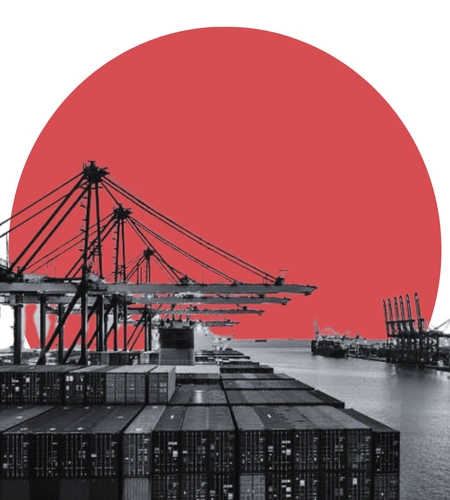
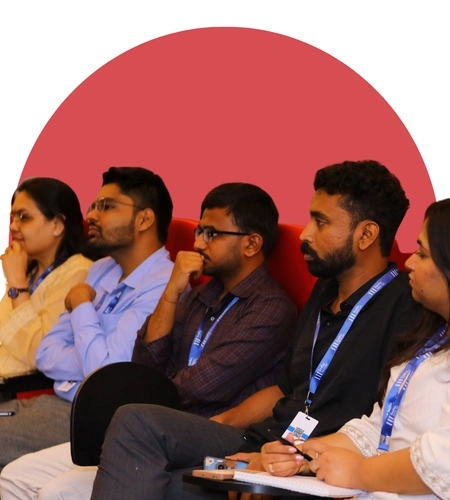
The specialization
BUILT TO CLOSE THE GAP
Tariffs. Export policy. Trade disputes. WTO tribunals. FTAs and bilateral negotiations. Non-tariff barriers. Supply chains and geopolitics.
India’s trade ambitions are growing faster than the machinery built to execute them. This specialization is built to close that gap.
Over four months, you learn why India’s trade policy struggles and what it takes to fix it: how tariffs and trade agreements are negotiated, how institutions like DGFT and DPIIT actually function, what geopolitics changes and what it does not.
You are taught by practitioners, and you apply what you learn through a hands-on project with a bureaucrat on a live trade policy problem rather than a hypothetical one.
WHERE THIS SITS IN THE POLICY PIONEERS PROGRAM?
The Trade specialization is one track within Policy Pioneers. Alongside the domain modules, every participant covers the common program:
Self-assessment
IS THIS THE RIGHT TRACK FOR YOU?
Trade policy is not only for economists and trade lawyers. It is for anyone curious about why a tariff decided in Delhi changes what a factory in Coimbatore or a farmer in Punjab can sell.
This is for you if
- ✓You’ve wondered why a trade agreement negotiated at the national level plays out so differently for different states and sectors
- ✓Tracing interests, who lobbies for a tariff, who it protects, who it hurts interests you as much as the trade numbers themselves
- ✓You’re more curious about how India negotiates its position at the WTO or in a bilateral FTA than about the economics of trade in the abstract
Probably not for you if
- ✕You want training focused on one sector, this is about the architecture and negotiation behind all of trade, not expertise in one part.
- ✕You want an economics or international law degree, this asks how trade policy actually gets negotiated and enforced in practice.
- ✕You want a certificate without the work, the program is project-based and demanding.
QUESTIONS YOU WILL WORK ON
Curriculum
SIX MODULES, FROM PROBLEM TO DELIVERY
Trade policy sits where economics, geopolitics, law, and domestic politics meet. The modules move from understanding why trade policy matters to negotiating and enforcing it.
Policy Tools & Analytical Frameworks
Build essential policy skills: stakeholder mapping, policy reading, trade data analysis using UN Comtrade, DGFT, and WTO datasets & macroeconomics
Trade DatabasesStakeholder MappingPolicy Reading

Understanding Trade Policy
Why trade policy is a political instrument as much as an economic one, and how India’s trade policy evolved: from import substitution to liberalisation to today’s industrial policy.
Why trade policy mattersEvolution of India’s trade policy

Institutions, Law & Regulation
How power over trade is mapped across DGFT, MoCI, DPIIT, customs, and SEZ authorities, and the rules and regulations, tariffs, non-tariff barriers, export-import policy that govern them.
Centre-state relations in tradeTrade rules and regulations

Trade, Power & Geopolitics
How firms, lobbies, and interest groups shape trade outcomes, and case studies from India’s Semiconductor Mission to the Hero Honda split.
Power and interests in tradeTrade disputes and geopolitics
Designing Policy Solutions
Using systems thinking and behavioural insights to frame trade policy problems and pitch trade-offs a decision-maker can act on.
Systems thinkingPolicy pitching
Leading the Change
Policy writing, negotiating trade agreements under real and crisis conditions, and career pathways into export promotion, logistics, compliance, and trade consultancies.
Trade Negotiation Careers in Trade
Hands-on projects
TRADE IN PRACTICE
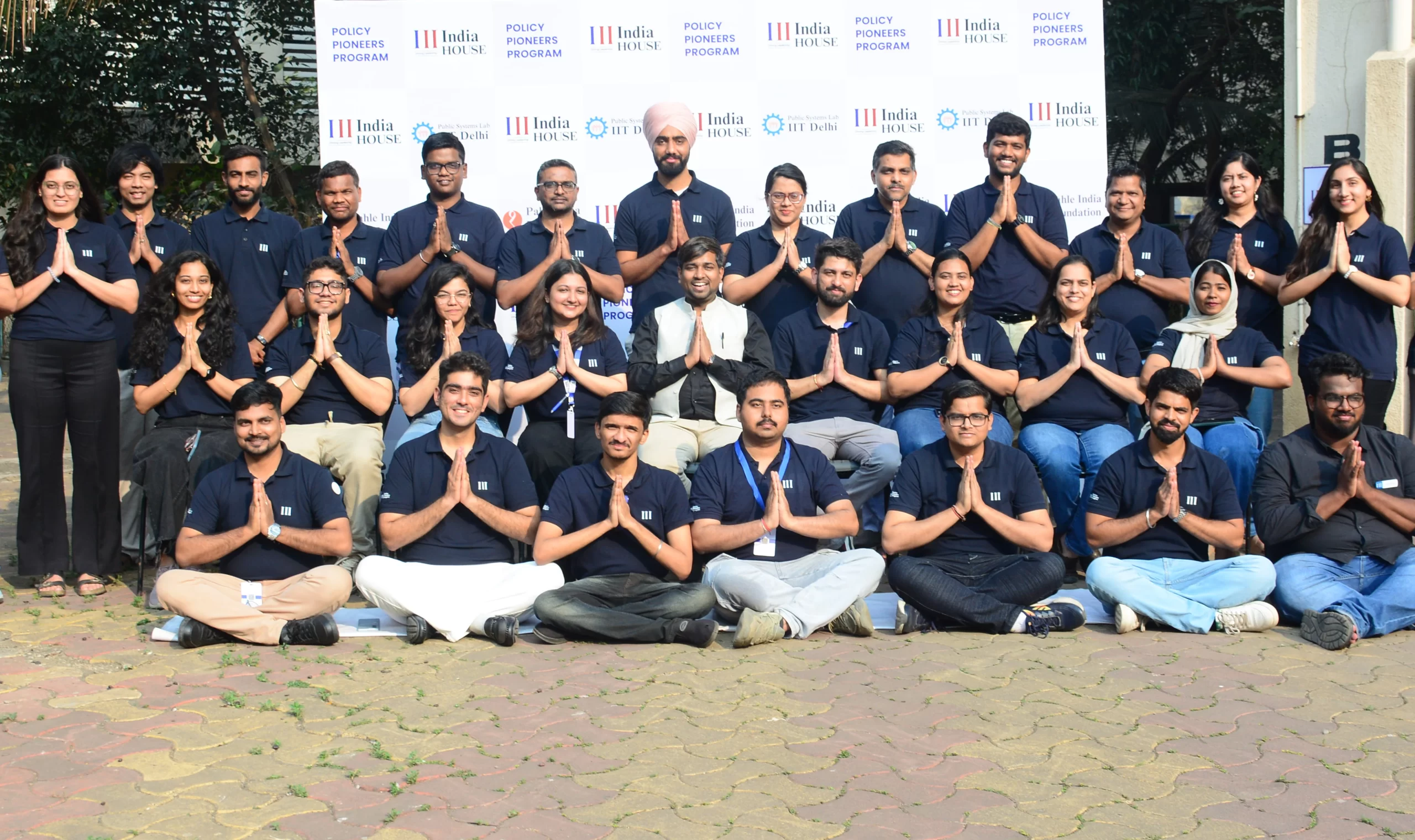
Past Policy Pioneers’ Cohort worked alongside bureaucrats and practitioners on live policy problems.
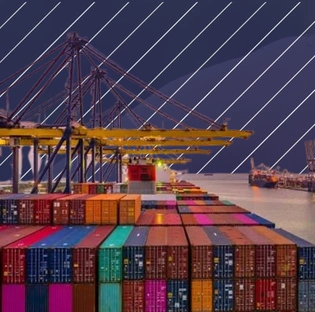
BUILDING A STATE EXPORT FRAMEWORK
Exports contributed 22% to India’s GDP in 2023-24, yet most states lack a dedicated promotion policy. This project built a replicable framework from UP’s model for others to adopt.
Chairman, Pahle India Foundation
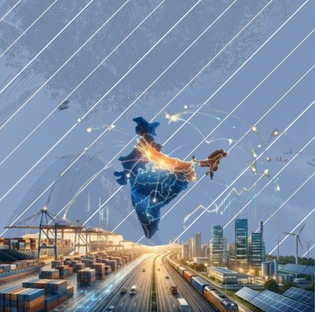
UNLOCKING TRADE THROUGH GI
India treats Geographical Indications as commodity markers, not IP unlike Europe’s DoP model. This project studied India’s GI ecosystem to recommend reforms strengthening GI-led trade and livelihoods.
Former Advisor to the Prime Minister’s Office

AN S&T DIPLOMACY PLAYBOOK
India lacks a playbook for diplomats to engage foreign tech ecosystems, despite momentum through iCET and QUAD. This project built a diplomacy playbook to map ecosystems and safeguard tech partnerships.
Under Secretary, Government of India
Faculty
TAUGHT BY PEOPLE WHO DO THE WORK
Sessions are led by people who work in trade rather than only teach it: trade negotiators, former DGFT officials, trade lawyers, and practitioners from across government, industry, and multilateral institutions.
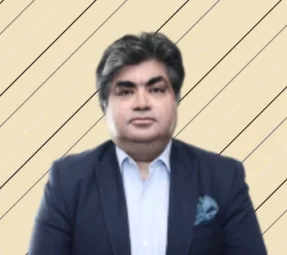
Dr. Pritam Banerjee
Head, Centre for WTO Studies, IIFT, Department of Commerce
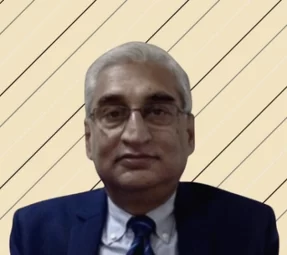
Sanjeev Nandwani
Former Additional Director General of Foreign Trade, Ministry of Commerce & Industry, Government of India
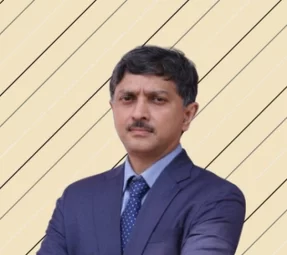
Prof. James J. Nedumpara
Professor and Head, Centre for International Trade and Investment Law, IIFT

Badri Narayanan Gopalakrishnan
Senior Associate, LSE Trade Policy Hub; Fellow, NITI Aayog

Anuj Gupta
Managing Director, India, BowerGroupAsia
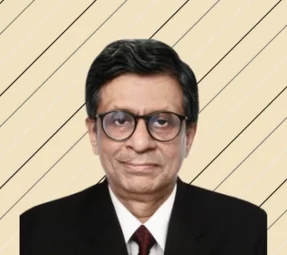
Sumanta Chaudhuri
Retd. IAS, International Trade Specialist; Former Additional Chief Secretary & Director General, Administrative Training Institute, West Bengal
Careers
The specialization builds capability rather than placing candidates. You leave with a working understanding of how trade policy is made in India, practical experience of applying it, and a network of people doing the work.
Think tanks and research
Policy and research roles in institutions building the evidence base for trade policy
Government and TRADE bodies
Policy and regulatory roles across DGFT, MoCI, DPIIT, customs, and SEZ authorities
Industry and Export Promotion
Roles in export promotion councils, logistics, supply chains, and trade consultancies
Multilateral & Development Bodies
Program and technical roles in the WTO, World Bank, and bilateral trade partnerships
Consulting and Advisory
Trade advisory, compliance consulting, and market-access strategy roles
Corporate & Government Affairs
Trade policy, regulatory affairs, and government relations roles within companies
Program details
DATES, FORMAT AND FEE
Key details
| Dates | Winter Cohort: December 2026 to April 2027 Applications close: 6 September 2026 |
| Format | Blended. Live online sessions plus 2 in-person camps. |
| Time Commitment | 10-12 per week |
| Eligibility | Open to graduates, postgraduates, and working professionals from any discipline. |
| Selection | Sign up → Application → Shortlisting → Personal interview → Selection |
Fee and scholarships
| Fee | Rs. 59000 + 18% GST |
| Scholarships | Need- and merit-based scholarships available, up to 75%. |
| Payment | Flexible payment plans, including instalments, are available. |
APPLY TO THE WINTER COHORT
The Trade Policy Specialization runs from December 2026 to April 2027. Applications close on [date].