
Manifesting the Builder Inside, Building for Bharat
Inside India House’s induction workshops for 500 first-year students at Newton School of Technology
An engineering college hands students the skills to build. What it rarely pauses to ask is what kind of builder each of them wants to become, and which problems deserve that skill.
That question shaped Manifesting Your Journey as Tech Builders, an induction workshop India House conducted for 500 first-year students of Newton School of Technology across Pune, Bengaluru, and Hyderabad in August 2026. Over a single day, students began claiming a builder’s identity, starting with two questions.
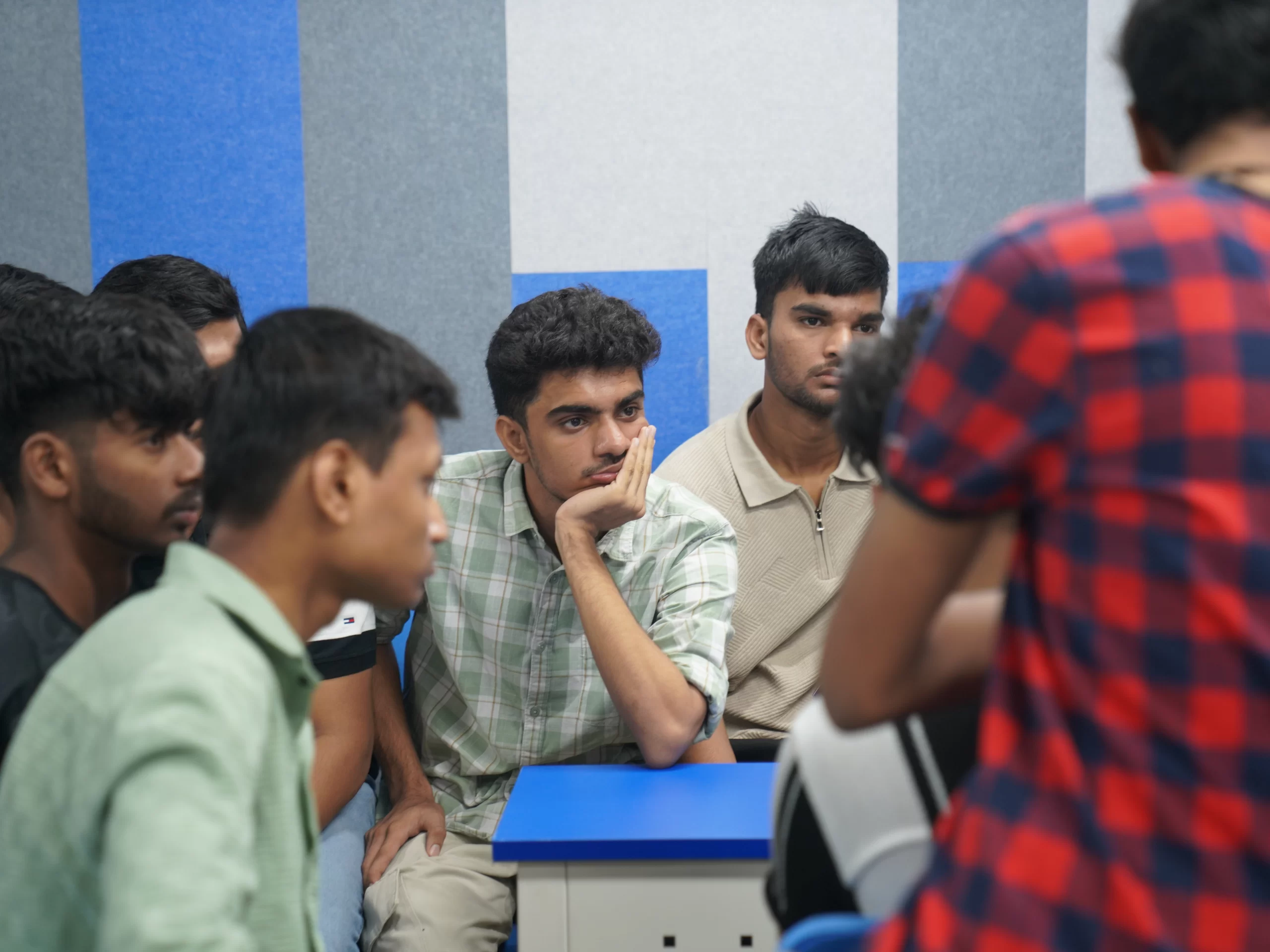
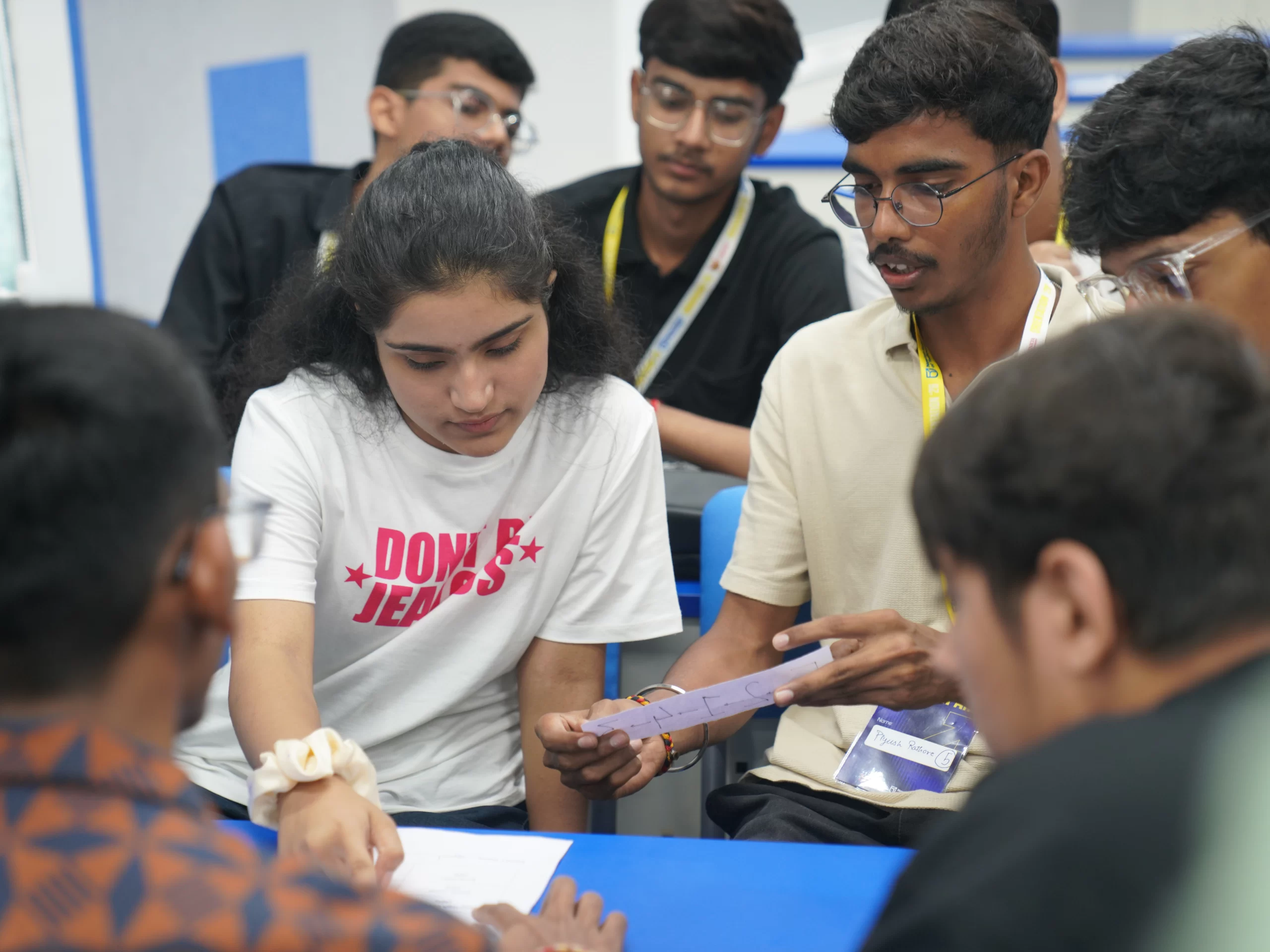
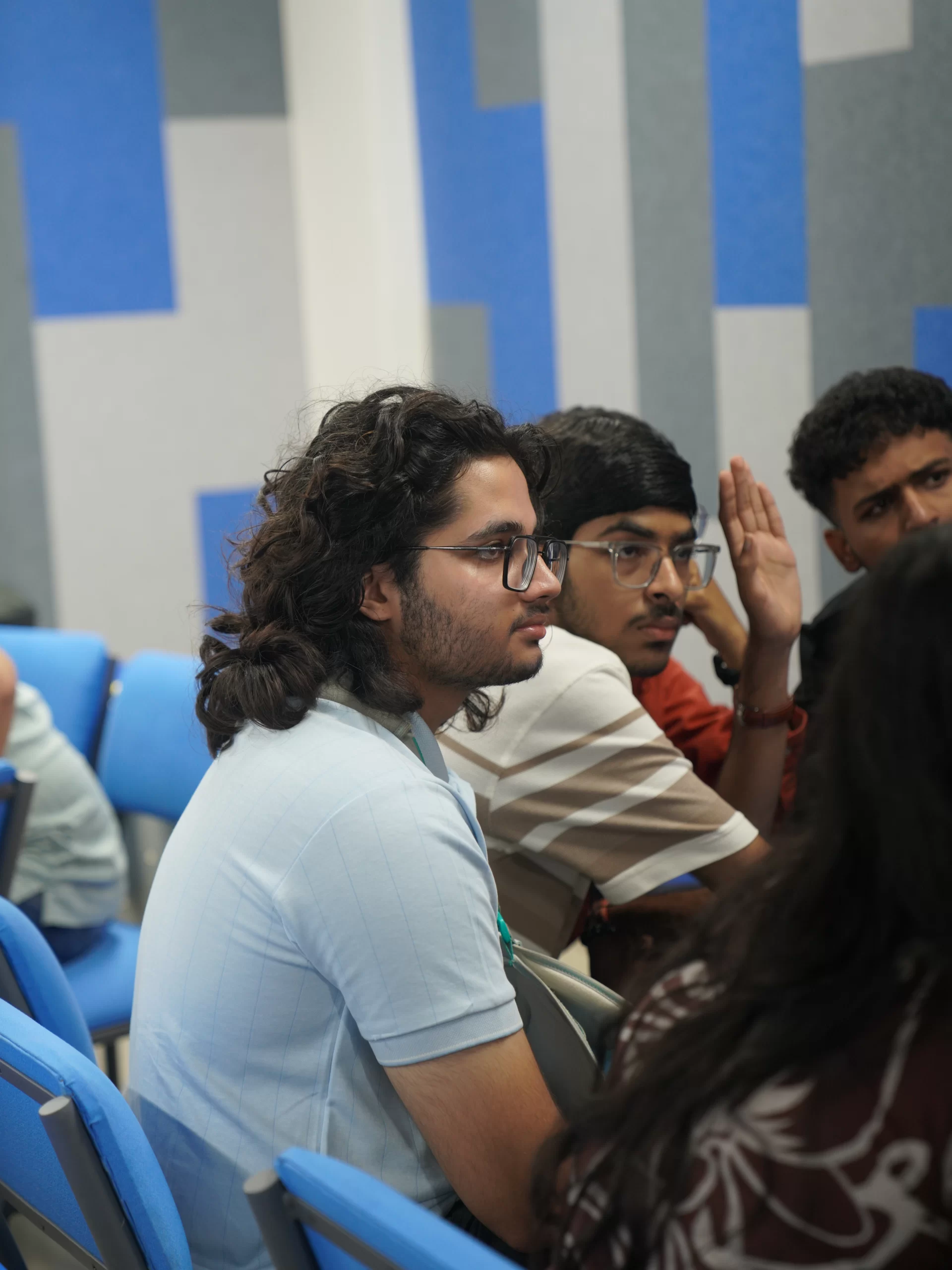
Why the first weeks of college matter
For many engineering students in India, the years before college follow a fixed path: Class 10, then coaching, then an entrance examination, then a college seat. The destination gets decided in advance, and the task is simply to reach it. Then students arrive on campus, and the track ends.
The first year is where the next four get decided. It is when students quietly set the aspirations they will carry through college, often without realizing it. India House entered while those aspirations were still taking shape and students could still choose them.
Opening the first week with a game
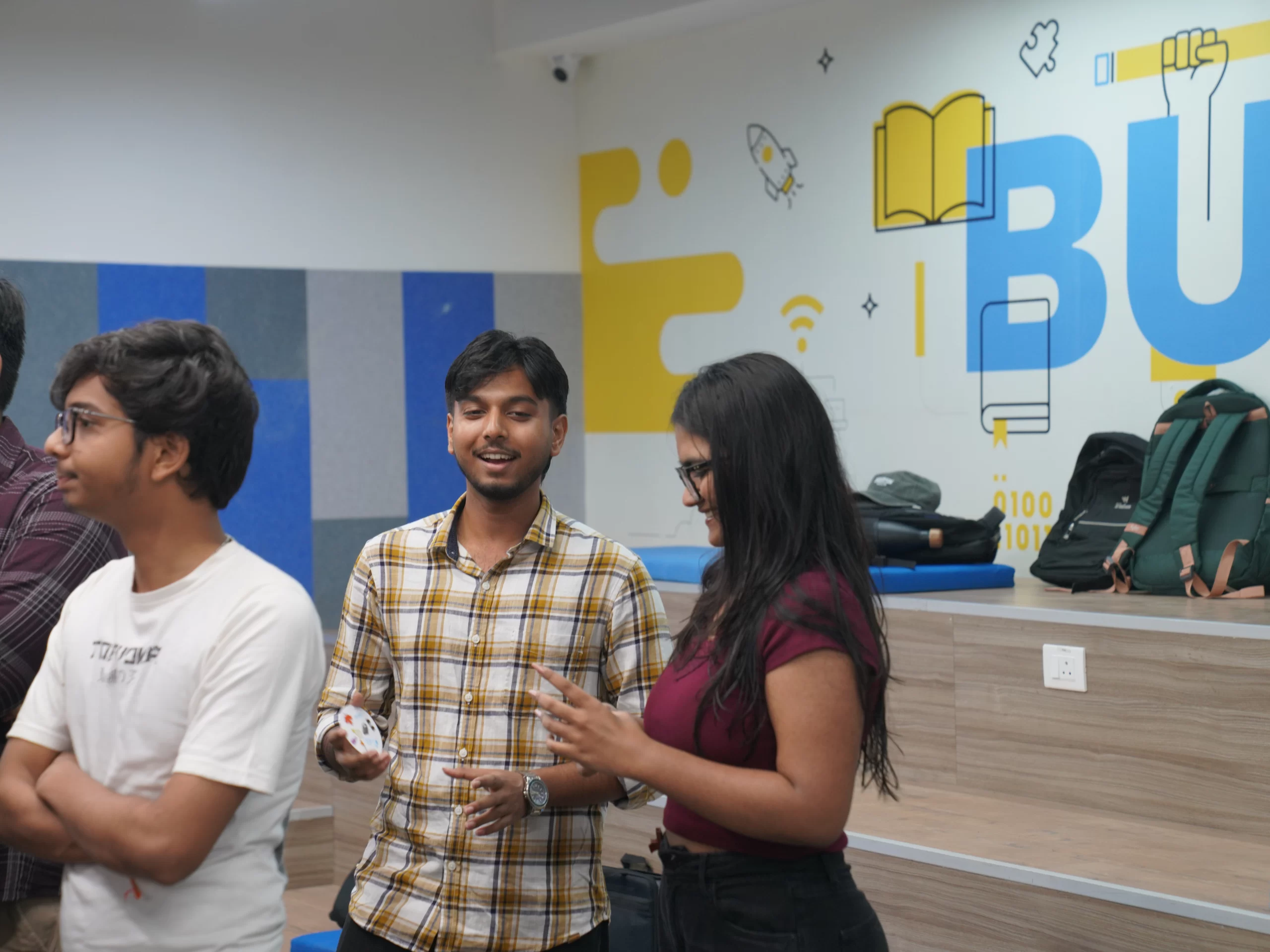
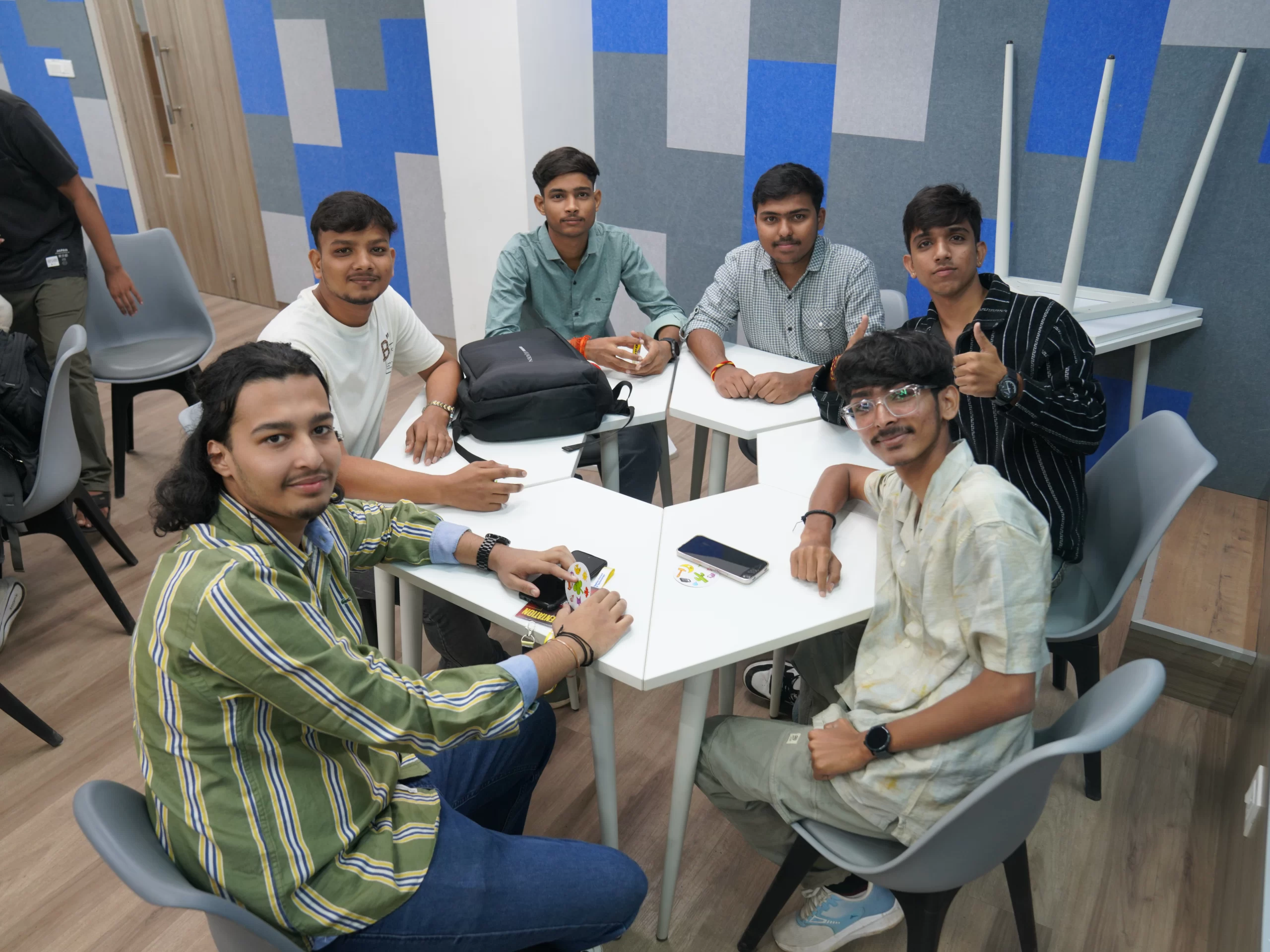
The first week of college for these students opened with a round of Dobble, the pattern-matching card game, and a challenge attached to it. Before the music stopped, each of them had to meet ten new people.
They had arrived from more than twenty states days earlier, and the room opened up within minutes. Young people give their attention most willingly when the invitation is playful, which is why learning at India House so often begins with a game.
Mapping the journey from the back seat to the driver’s seat
A guided reflection then asked students to look across their past, present, and future. What did you want to become after Class 10? What did the coaching years demand of you? And now that you are here, where would you like to go?
What surfaced was how much of the journey had been steered by someone else. Parents chose the stream, coaching set the schedule, an examination fixed the destination, and students rode in the back seat. College moves them into the driver’s seat for the first time, and the question shifts from how fast they can move to where they actually want to go.
Choosing a Super Manifestation for the next four years
Most students arrive on campus and begin chasing everything at once: clubs, competitions, internships, and whatever a senior recommends that week. The next exercise slowed that down and helped each student find what they wanted most.
Students wrote what they hoped for across five areas: career, friendships, personal development, campus life, and health. The lists ran long, as expected. Prioritization proved harder. Each narrowed theirs to three aspirations and then chose one Super Manifestation, the aspiration that mattered most or would make progress in the others easier, and shared it in a small group: my Super Manifestation is this, and I chose it because of that.
Turning a goal into daily action
An aspiration held loosely tends to stay a wish, so the next session helped students turn theirs into something they could act on that week. “Become an excellent coder” became “solve one problem every day.” “Build a startup” became “speak to one potential user every week.” Vague commitments like “work hard” went back for another attempt, since an action has to be specific enough to begin and track.
Each student then found an accountability partner and messaged them that first action, which made the commitment harder to forget. In a separate chit exercise, each privately named one weight they wanted to shed, and procrastination, comparison, perfectionism, and self-doubt all came up.
They pinned their Super Manifestations to a manifestation board, and those boards now hang outside their classrooms as a reminder that their college journey began with an intention they chose.
Shifting attention from the self to the country
The second half began with a generational story. For our parents’ and grandparents’ generation, ambition took a practical form: roti, kapda, makaan. Those aspirations built the foundation today’s young people stand on, and this generation inherits it along with a new kind of leverage, since technology lets a young builder reach communities at a scale once hard to imagine.
Students were then introduced to the challenges Bharat still carries, across health, education, livelihoods, and access to basic services. In the problem statement exercise that followed, each student wrote one problem on a sticky note, and facilitators kept bringing them back to the problem whenever they jumped ahead to a solution.
“AI for healthcare,” for instance, is a solution looking for a home. After another round of thinking, it became more grounded: people in smaller towns travel long distances to reach specialist medical advice.
Learning to see India before solving for it
The problem statements went up on a second board for a gallery walk, where students read what their peers had written and picked one problem that had never occurred to them. Reading the concerns of hundreds of peers from across the country gave each student a larger picture of it.
Solving for India begins with learning to see India, which means noticing differences in access, infrastructure, opportunity, and language. A technically sound solution can still fail when it ignores the people it serves. The room ended the day holding two boards, one carrying what students wanted from their lives and the other what they had noticed in the world.
Inside the three campuses
India House conducted the workshops across three NST campuses in August 2026:
- DY Patil University, Pune, on 12 August, with 240 students
- S-VYASA University, Bengaluru, on 20 August, with 200 students
- St. Mary’s, Hyderabad, on 25 August, with 60 students
Hyderabad welcomed the first batch the campus had ever hosted, so the conversation turned to the culture those students wanted to set for juniors who do not yet exist. In Bengaluru, final-year students organizing the induction asked the facilitators their own question: “Why didn’t you come in our time, sir and ma’am?”
Building technology leaders for Bharat
India House and Newton School of Technology have worked together since 2023, and this year the induction expanded from one campus to three. NST builds strong technologists through hands-on learning, and India House adds leadership, social awareness, systems thinking, and a fuller understanding of the country these students will build in. The induction is one entry point into a wider campus engagement mission spanning values exploration, leadership archetypes, design thinking, social problem-solving, and public policy and technology.
The first year of college can turn into a race toward internships, clubs, and placements. Those experiences matter, and students deserve the chance to choose a direction first. Their years at NST sit in the space between the two boards: what they want from their lives, and what the country needs them to notice.